

ProductOpenAIConfirmed
Story 2 of 12 in the Friday 30 October editionOpenAI launches Private Intelligence security architecture for enterprise AI
OpenAI introduced Private Intelligence on 30 October 2026, unifying zero-retention API options, confidential-computing Private Inference in preview, and granular workspace action policies across ChatGPT, Codex, and the OpenAI API.

 Edited by Ashutosh Shrivastava
31 Oct 2026, 11:45 IST · 1 min read

As enterprise deployments shift from isolated chat prompts to autonomous coding and browser agents, security teams must govern not only where prompts are stored but also which external systems agents can modify. OpenAI’s Private Intelligence packages existing enterprise encryption and non-training commitments with new runtime isolation and policy enforcement across ChatGPT Enterprise, ChatGPT Business, Codex, and API workloads.
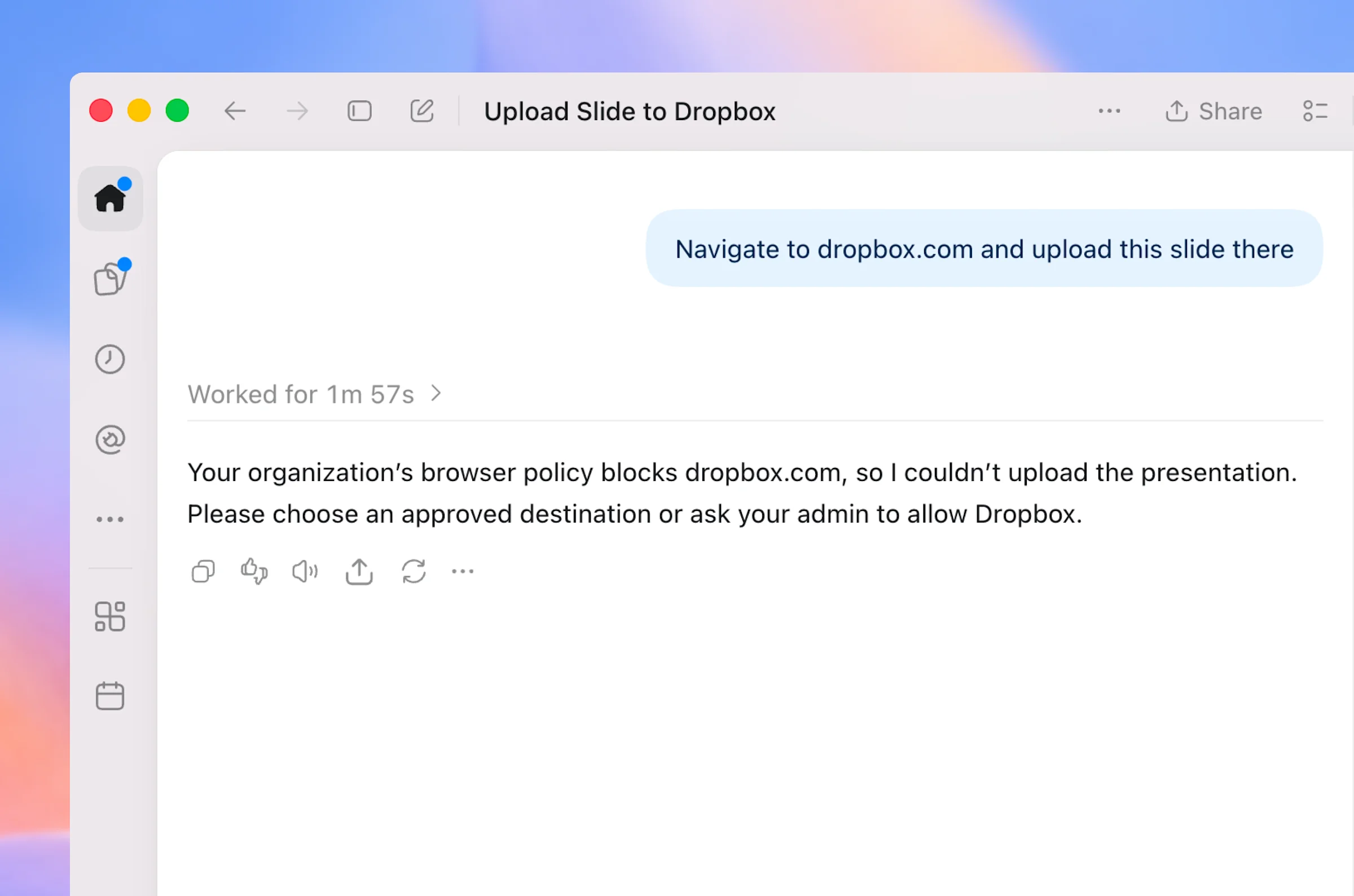
At the infrastructure layer, eligible API endpoints support Zero Data Retention (ZDR) so prompts and completions are never written to persistent storage, paired with a preview of Private Inference running inside hardware-attested confidential computing enclaves. At the workspace layer, administrators configure role-based access controls, audit logs, and action-level browser and connector policies. As shown in the policy prompt below, workspace rules can let an agent browse approved SaaS tools while blocking file uploads to unapproved storage providers such as Dropbox. OpenAI backs the stack with SOC 2 Type 2, ISO certifications, HIPAA Business Associate Agreements, and FedRAMP authorisations, though general availability dates and standalone pricing for Private Inference have not been published.
Sources
- PrimaryOpenAI Private Intelligenceopenai.com · Official enterprise security architecture page
- On XOpenAI (@OpenAI) on Xx.com · Launch announcement
The rest of the day
Read the whole day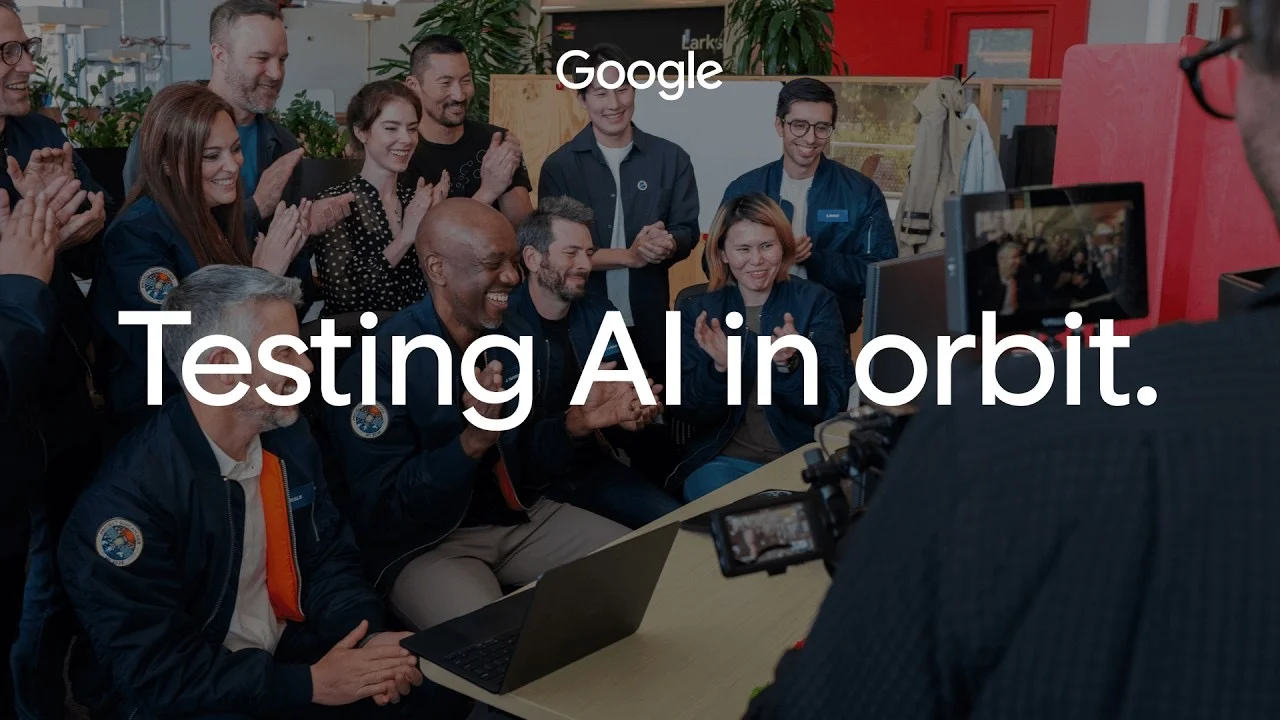
01InfraGoogle
Google receives first Gemma 4 inference response from orbital TPU on Project Suncatcher
Google Research completed its orbital “Hello World” milestone on 30 October 2026, uplinking a prompt to an onboard Gemma 4 model running on a data-centre-class TPU aboard its Project Suncatcher prototype satellite and receiving a downlinked haiku over Svalbard, Norway.
03ProductAnthropic
Anthropic renames Claude Max 20x to Ultra and removes five-hour session caps
Anthropic renamed its $100 monthly Claude Max 5x tier to Max and its $200 monthly Max 20x tier to Ultra on 30 October 2026, eliminating five-hour rolling session limits on verified Ultra accounts.

04CreativeThe Biological Computing Co.
The Biological Computing Co. ships neuron-derived TBC mischief 1 video model
San Francisco startup The Biological Computing Co.
05Open sourcePika
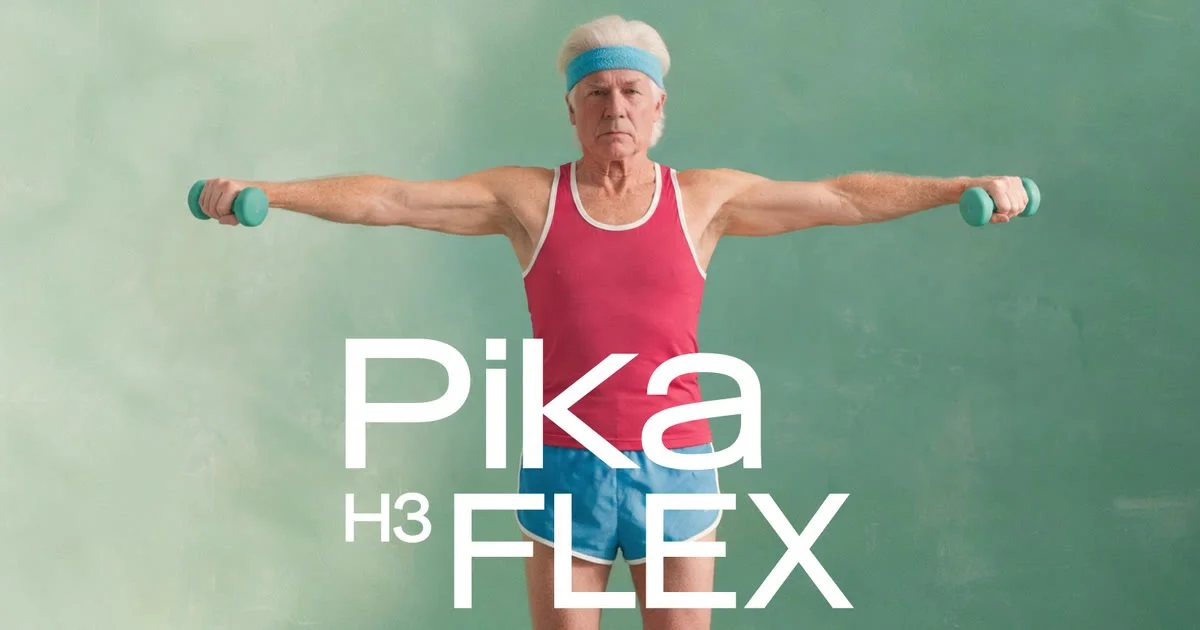
Pika open-sources six-step Pika H3 Flex video-and-audio model
Released on 29 October 2026, Pika H3 Flex post-trains MiniMax H3 down from 50 denoising steps to six, generating 15-second 768p stereo-audio video clips in seven seconds of transformer compute alongside open weights on Hugging Face.
Spotted an error? Email aiforsuccess.in+compass@gmail.com or tag @ai_for_success on X