


ProductOpenAIConfirmed
Story 1 of 12 in the Tuesday 3 November editionOpenAI details physical hardware engineering with GPT-6 Astra and BenchCAD 2.0
Two OpenAI engineers designed a working handheld Codex voice prototype with GPT-6 Astra in under a week, while an internal model reached 0.875 on BenchCAD 2.0.

 Edited by Ashutosh Shrivastava
4 Nov 2026, 09:30 IST · 2 min read
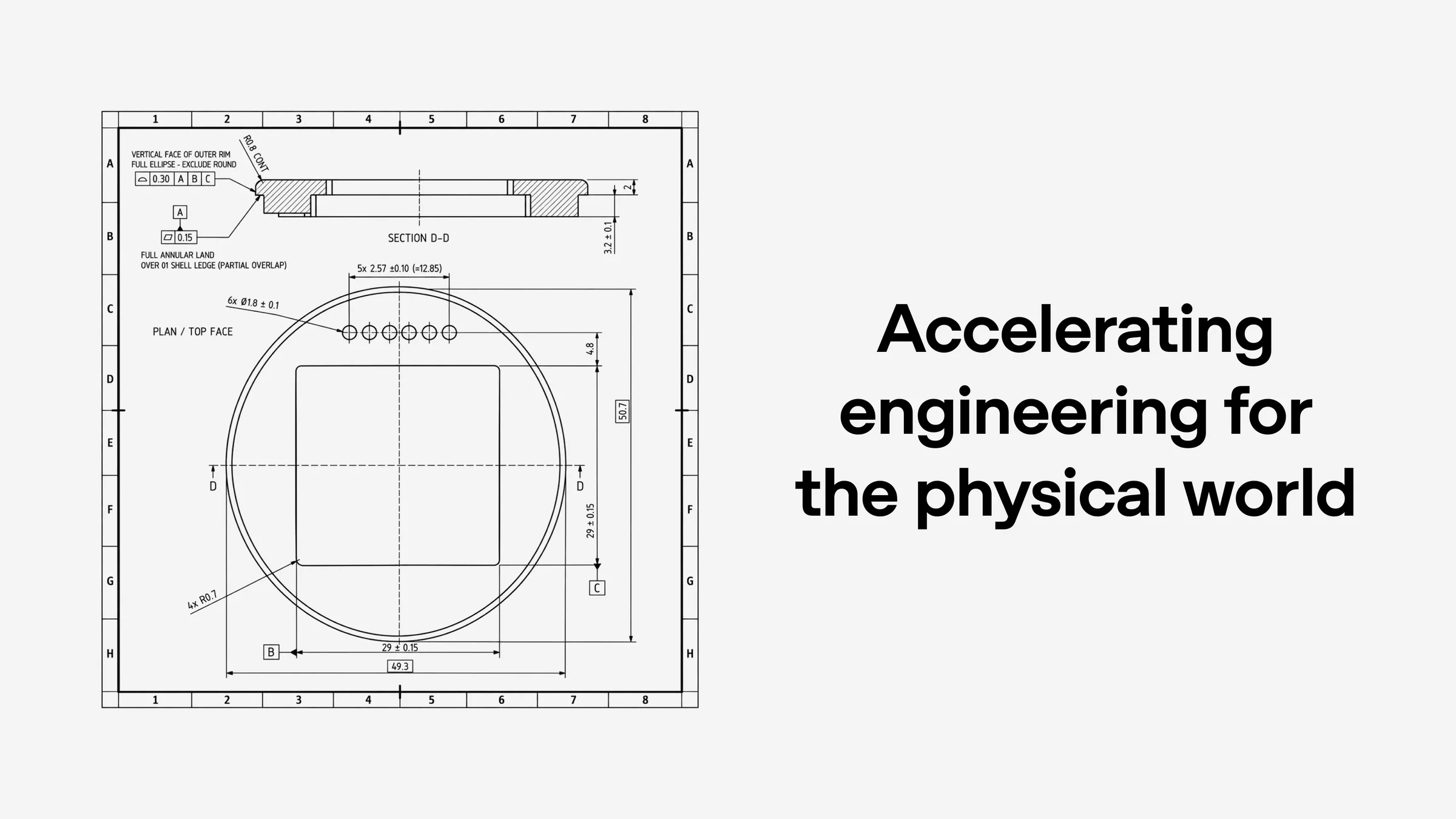
OpenAI shared results on 3 November 2026 from applying ChatGPT, Codex and GPT-6 Astra to mechanical design, circuit boards, firmware and engineering simulations. Internally, OpenAI’s robotics and compute infrastructure teams use the models to build and revise computer-aided design (CAD) files, draft manufacturing drawings and configure simulations, pushing hardware-team token consumption up 23 times since February 2026.
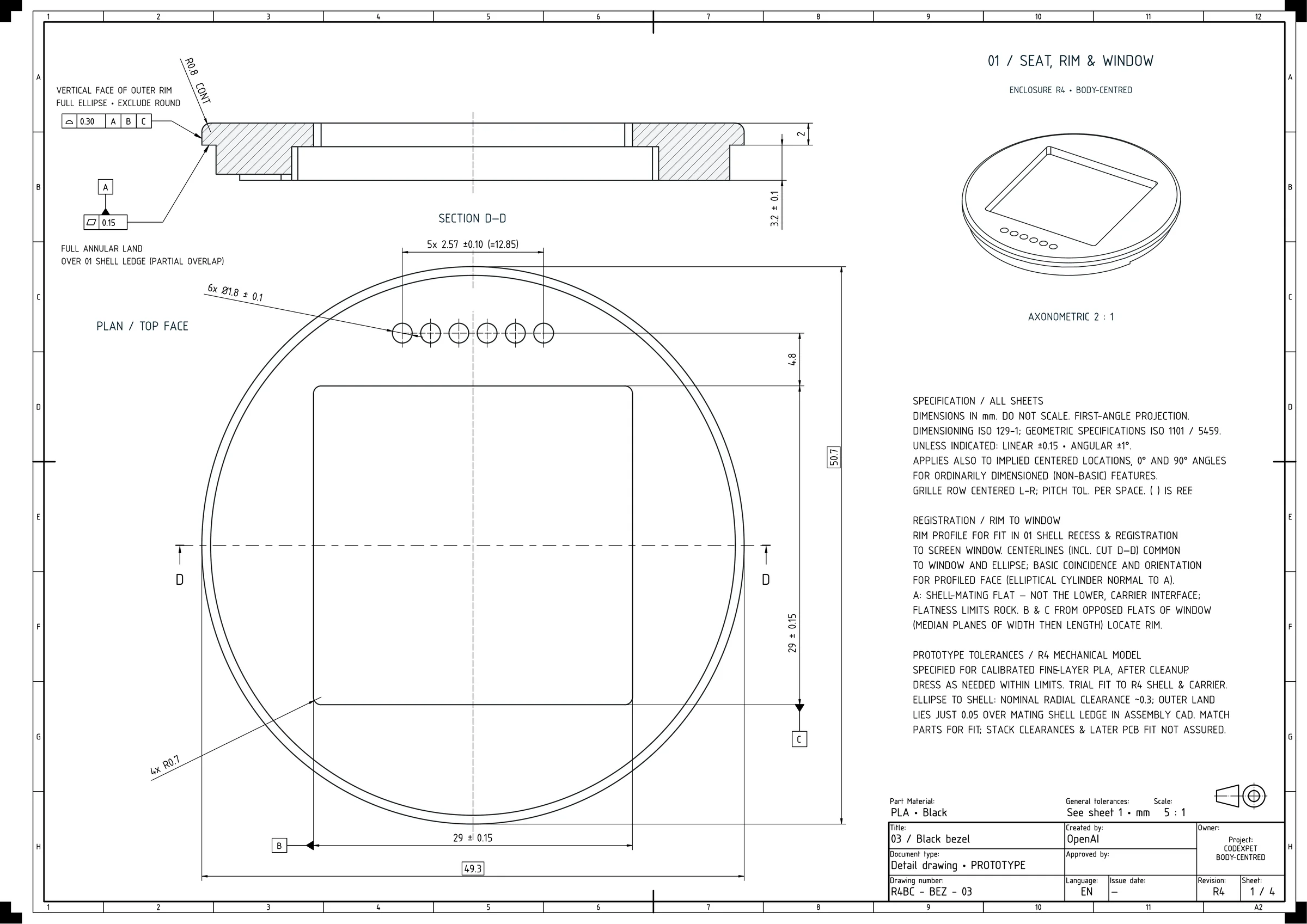
To test end-to-end multimodal and computer-use workflows without direct human edits, two OpenAI team members used GPT-6 Astra as a side project to specify requirements and design a handheld voice device for talking to Codex, inspired by OpenAI’s Work Louder collaboration. In under a week, Astra designed the external aesthetics, mechanical enclosure, internal mounting ribs, component selection, printed circuit board layout, firmware and user interface. A contract manufacturer produced working prototypes in under a month, though preparing the files for factory production still required human review across assembly details, tolerances and manufacturing limits.
Benchmarks and industry collaborations
To track spatial and electrical reasoning, OpenAI introduced BenchCAD 2.0, an evaluation covering 3D part and assembly reconstruction alongside circuit-board connection tracing. A newer unnamed internal OpenAI model scored 0.875 on average, ahead of 0.594 for GPT-6 Astra at its highest reasoning setting.
Externally, OpenAI expanded its collaboration with Chip Ganassi Racing to convert 3D scans of legacy race-car parts without original CAD files into editable 3D models and 2D shop drawings. OpenAI also announced a research partnership with Mazda Motor Corporation, pairing forward-deployed engineers with Mazda’s aerodynamics and crash-safety teams to model nose geometries and simulate vehicle airflow to cut drag. OpenAI opened a collaboration intake form for external engineering teams and CAD software vendors, with no standalone pricing changes.
Sources
- PrimaryAccelerating engineering for the physical worldopenai.com
- On XOpenAI physical-world engineering announcement on Xx.com
The rest of the day
Read the whole day
02ProductGoogle
Google Labs expands its Dreambeans personalised storytelling app to India
Adults aged 18 and over in India can generate daily visual story cards on Android, iOS and the web across 14 languages using selected Google app context.

03Open sourceSarvam AI
Sarvam AI open-sources Sarvam Prism for 44 ms single-pass enterprise decisions
Built on Sarvam 105B under the Apache 2.0 licence, the calibrated decision model scores candidate options in one forward pass on a single NVIDIA B200 GPU.
04ModelOpenRouter
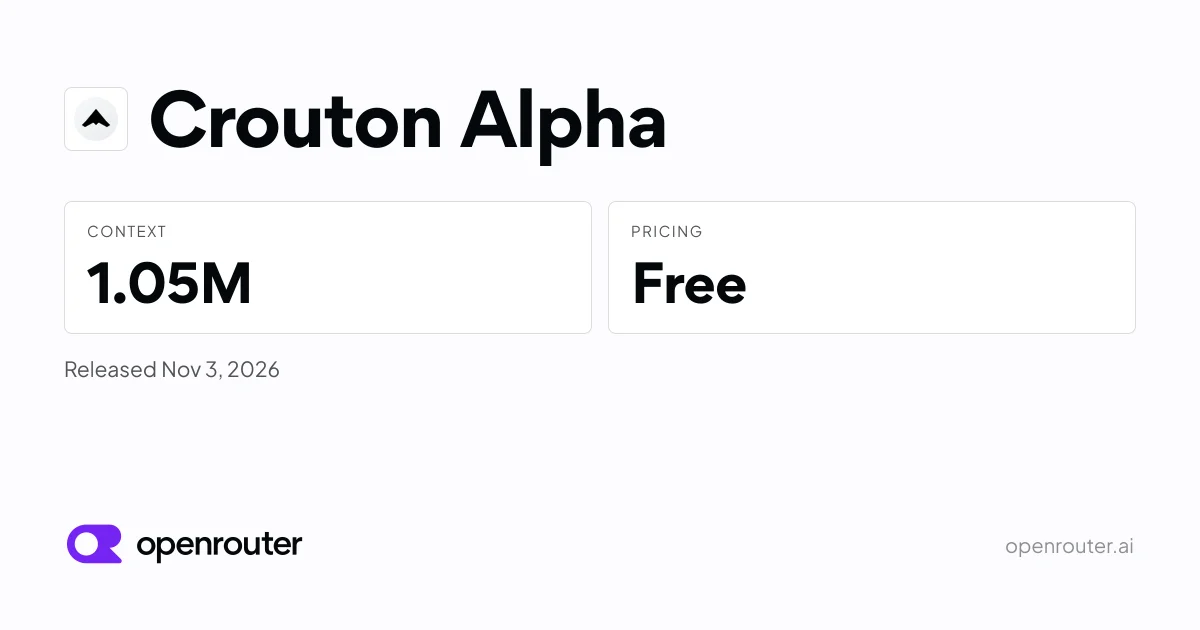
OpenRouter launches free 1M-context multimodal stealth model Crouton Alpha
Released on 3 November 2026 under stealth/crouton-alpha, the undisclosed provider’s reasoning model accepts text, image, audio, video and file inputs with zero prompt logging.

05ProductPerplexity
Perplexity Computer launches automated Shopify, Klaviyo and Meta ad workflows
Connecting to 27 commerce, ad, email and analytics tools, the e-commerce suite automates competitor audits, creative generation, media buying and storefront landing pages.
Spotted an error? Email aiforsuccess.in+compass@gmail.com or tag @ai_for_success on X