


ResearchAnthropicConfirmed
Story 9 of 11 in the Friday 6 November editionAnthropic Science Blog details how AI agents build and constrain scientific models
Researchers from the ELLIS Institute Tübingen and the University of Tübingen outline how simulation-based inference and code-writing agents explore candidate scientific models.

 Edited by Ashutosh Shrivastava
7 Nov 2026, 09:30 IST · 1 min read
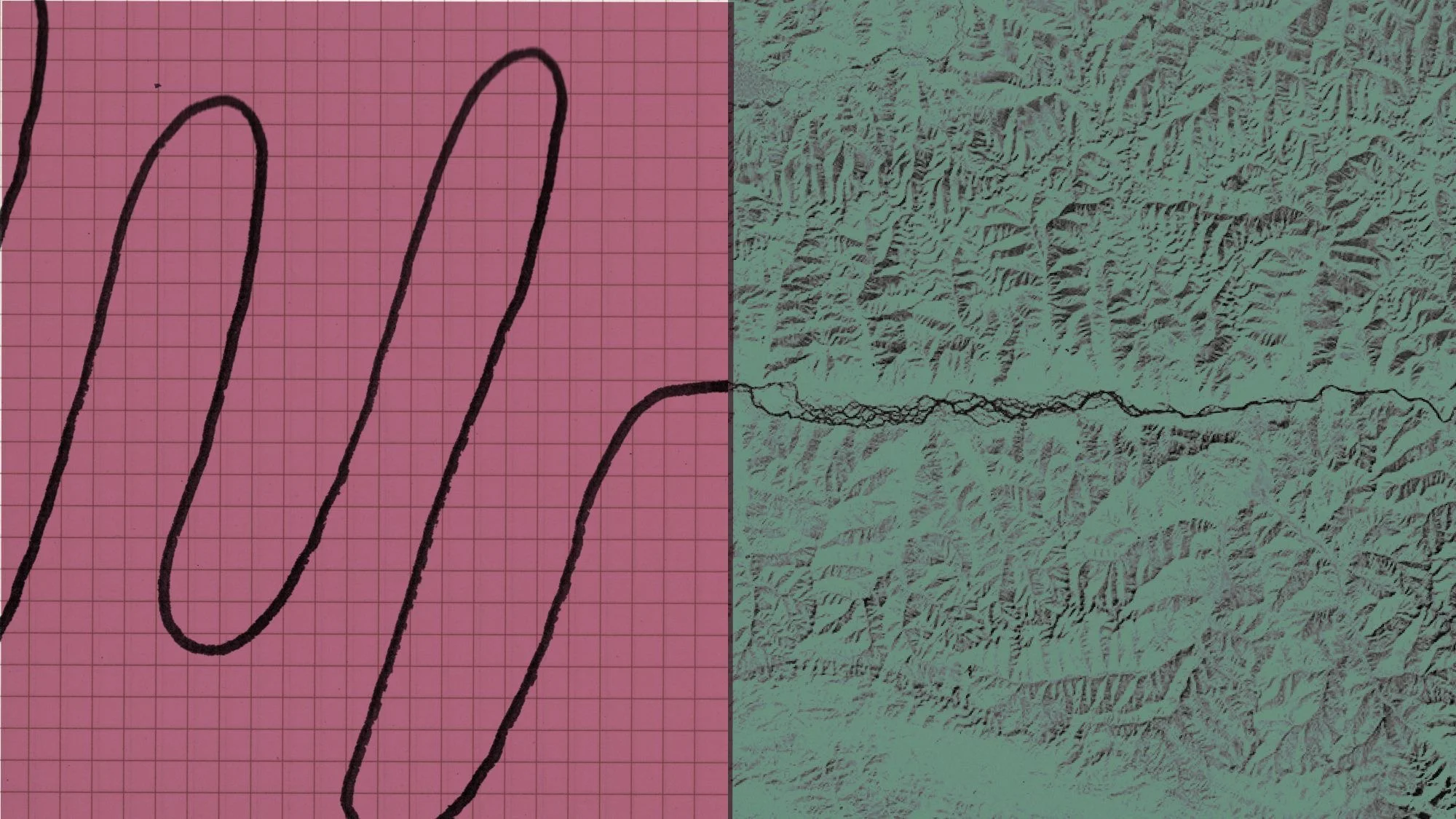
Anthropic published a Science Blog post on 6 November 2026 by AI for Science grantees Jakob Macke, Daniel Gedon, and Stefan Wahl of the ELLIS Institute Tübingen and the University of Tübingen. Tracing scientific modelling from the 1951 Hodgkin-Huxley squid axon equations to modern computational neuroscience, the authors break the discipline into three recurring steps: proposing model equations, constraining parameters against experimental data, and interpreting what the equations imply about physical mechanisms.
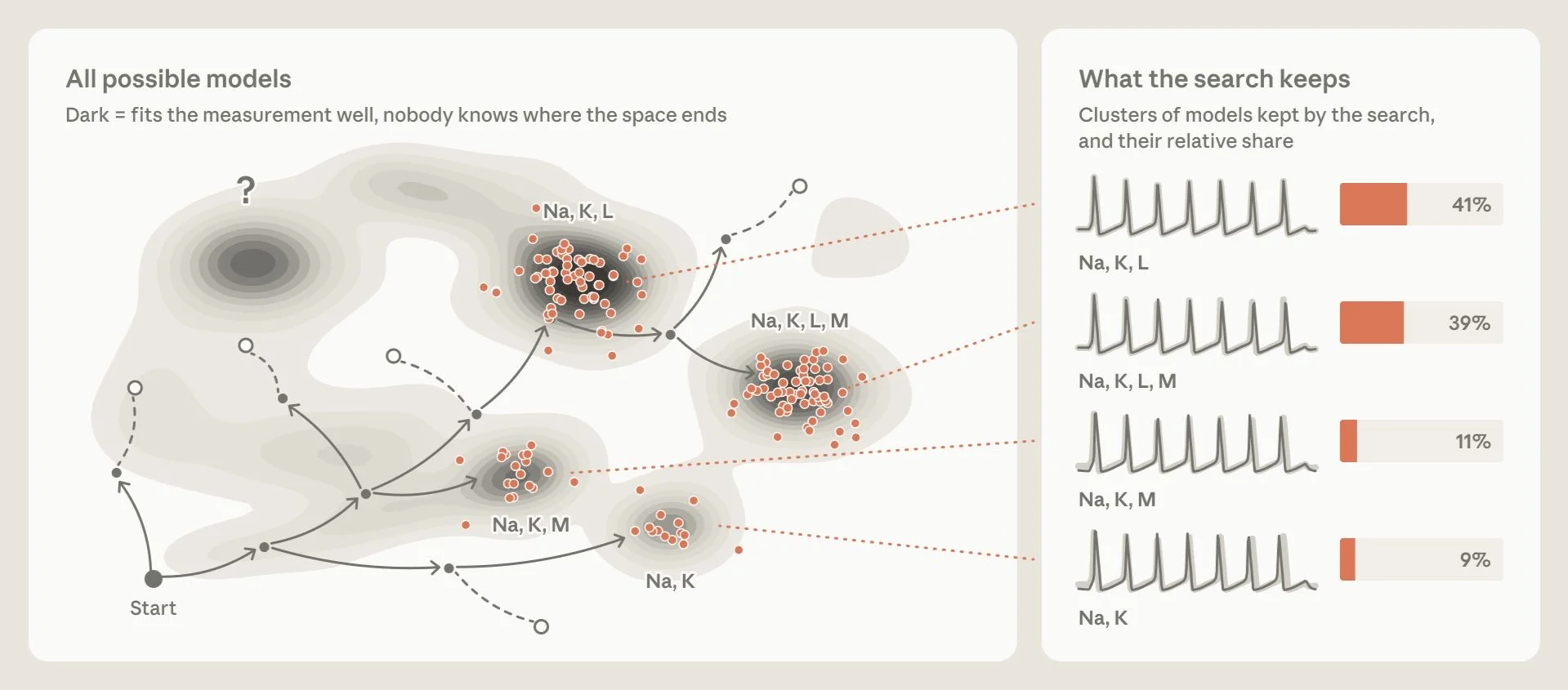
Where classical Bayesian fitting struggles on complex simulators, simulation-based inference (SBI) runs a simulator 100,000 to millions of times with varied parameters and trains a neural network to return full posterior probability distributions in seconds. Pairing SBI with language models that write, run, and revise simulator code lets researchers search across families of candidate models rather than settling on a single manual curve fit.
Sources
- PrimaryTeaching AI to build scientific modelsanthropic.com · Anthropic Science Blog
- On XAnthropic Science Blog announcementx.com · Official X post
The rest of the day
Read the whole day
01ProductMeta
Meta launches Spaces in Muse for custom interactive tools built from chat
Users can describe an idea to build persistent planners, trackers, and games inside the Muse app, pin them to navigation, and keep them updated through connected apps.
02ModelMeta
Meta rolls out specialized Muse and Meta AI models with Active Memory
Trained using Muse Wonder, the upgraded models bring Active Memory and Active Focus to consumer Muse and Meta AI interfaces with 2.4 times lower critical forgetting.

03InfraOpenRouter
OpenRouter launches next-generation Auto Router and Auto Code for coding agents
The new routers pick a model and reasoning effort per request within workspace guardrails, matching Claude Opus 5.5 on coding benchmarks at 74% lower cost.
04ResearchOpenAI
OpenAI and Ligo introduce BioBasicsBench for everyday wet-lab biology
The 100-task benchmark tests whether AI agents can interpret raw gels, flow cytometry plots, plates, and microscopy images, with GPT-6 Astra scoring 66.7%.
Spotted an error? Email aiforsuccess.in+compass@gmail.com or tag @ai_for_success on X