


Open sourceVoyagerConfirmed
Story 6 of 11 in the Friday 6 November editionVoyager releases open-source vork headless 3D and VFX engine for agents
Written in Rust and Slang with Vulkan and Metal backends, vork lets agents write 3D scenes as code through a 2,500-token API and render a million-bird flock in 97 seconds.

 Edited by Ashutosh Shrivastava
7 Nov 2026, 09:30 IST · 1 min read
Voyager released vork on 6 November 2026, a source-available headless 3D rendering and visual effects engine built for autonomous coding and multimodal agents. Instead of driving a human viewport editor, an agent writes a scene in Rust and Slang shader code, renders frames on the GPU through Vulkan or Metal, inspects the rendered output, and revises the code.
The core vork API fits in roughly 2,500 tokens, including a complete starter scene, so an agent can hold the full specification in context without documentation retrieval. In Voyager’s benchmark demonstrations on a single GPU, vork simulated and rendered a self-steering flock of one million birds in 97 seconds and composited 3D light-emitting geometry onto tracked live-action footage. The engine is free to use during its research preview.
Sources
- Primaryvork by Voyager: a headless 3D and VFX engine for agentsvoyager.so · Product page and benchmarks
- Officialvork repository on GitHubgithub.com/voyager-so · Source repository
The rest of the day
Read the whole day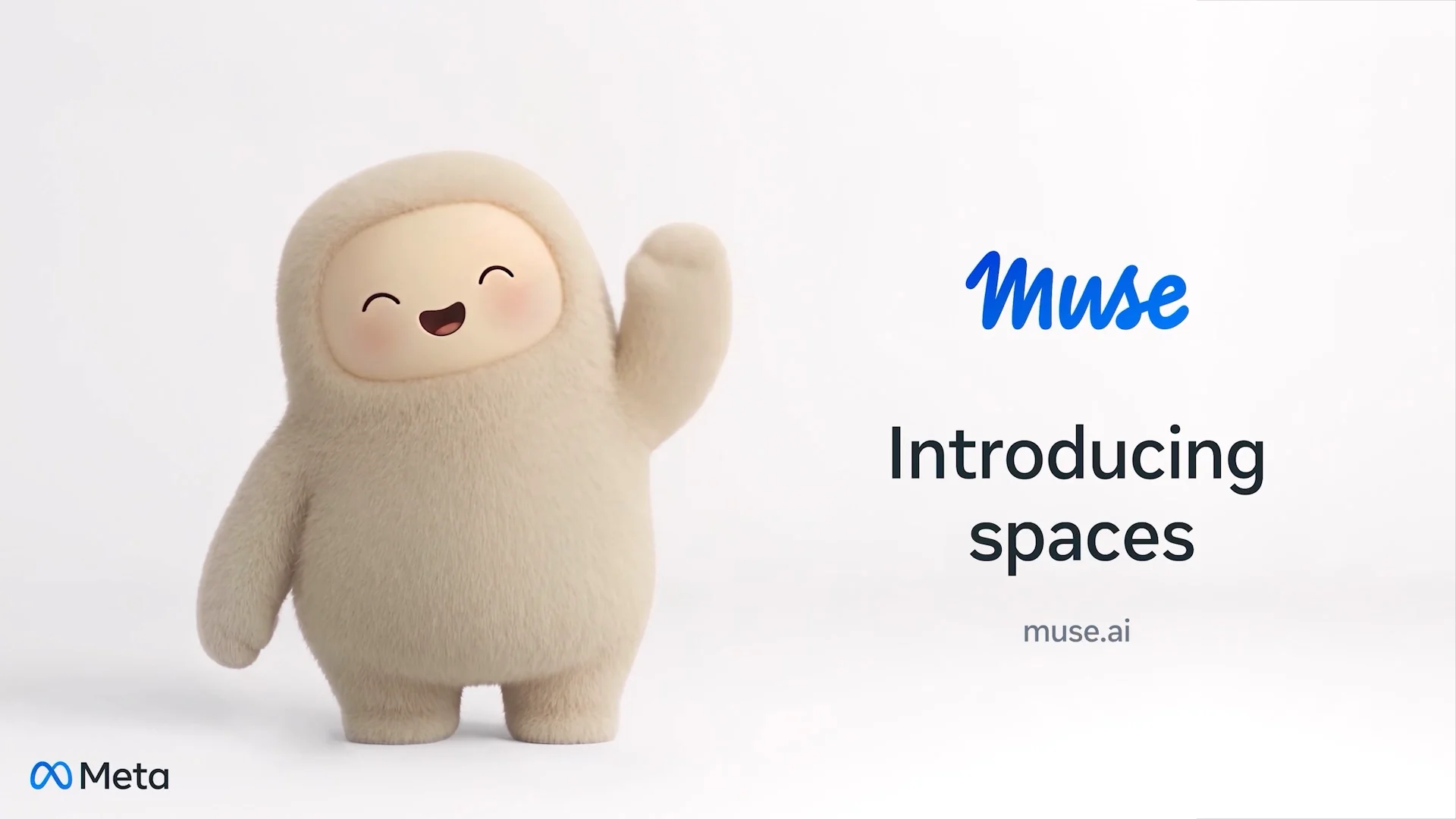
01ProductMeta
Meta launches Spaces in Muse for custom interactive tools built from chat
Users can describe an idea to build persistent planners, trackers, and games inside the Muse app, pin them to navigation, and keep them updated through connected apps.

02ModelMeta
Meta rolls out specialized Muse and Meta AI models with Active Memory
Trained using Muse Wonder, the upgraded models bring Active Memory and Active Focus to consumer Muse and Meta AI interfaces with 2.4 times lower critical forgetting.

03InfraOpenRouter
OpenRouter launches next-generation Auto Router and Auto Code for coding agents
The new routers pick a model and reasoning effort per request within workspace guardrails, matching Claude Opus 5.5 on coding benchmarks at 74% lower cost.
04ResearchOpenAI
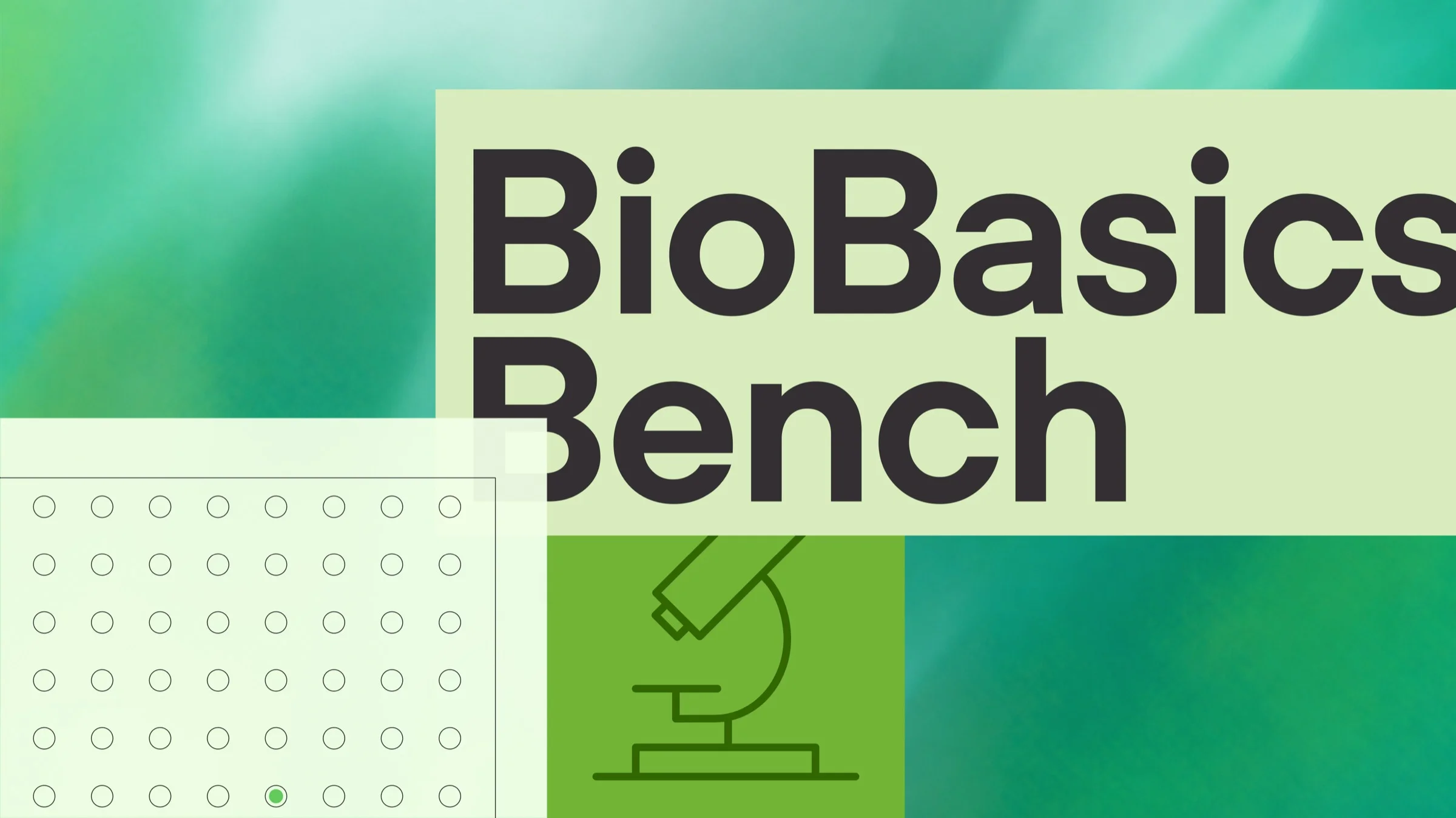
OpenAI and Ligo introduce BioBasicsBench for everyday wet-lab biology
The 100-task benchmark tests whether AI agents can interpret raw gels, flow cytometry plots, plates, and microscopy images, with GPT-6 Astra scoring 66.7%.
Spotted an error? Email aiforsuccess.in+compass@gmail.com or tag @ai_for_success on X