DeepInfer is the inference framework behind DeepSeek’s production service, released under Apache 2.0, with a separate library for turning API requests into tokens.
Lead storyDeepSeek open-sources DeepInfer, the stack behind V4.1-Flash
Edited by Ashutosh ShrivastavaStory 1 of 9 · 2 min read
DeepSeek published DeepInfer on 20 October 2026 under the Apache License 2.0. The repository describes it as the inference framework that powers DeepSeek’s large-scale production services. The supported model is DeepSeek-V4.1-Flash, and DeepSeek’s post says that is the model it is serving at scale. The release is an offline inference stack: optimised kernels, several ways of splitting work across chips, and options for deterministic sampling and structured output.
The supported hardware is NVIDIA SM100 GPUs and Huawei Ascend 950 NPUs. DeepSeek says a full service still needs pieces this release does not include: a KV cache system, which is the memory of an ongoing conversation, disaggregation of prefill and decode, and load balancing across replicas. It says most of the engine work for that split is already in the code. The default checkpoint is deepseek-ai/DeepSeek-V4.1-Flash-1017.
Alongside it, DeepSeek published deepseek-recipe under the MIT licence. That library turns chat and responses requests into the prompt and token IDs a DeepSeek V4 or V4.1 model expects, and turns the model’s output back into an API response. DeepSeek’s post calls it the production token encoding and decoding used to match the official API. The caller still has to run the model, execute tools and serve HTTP.
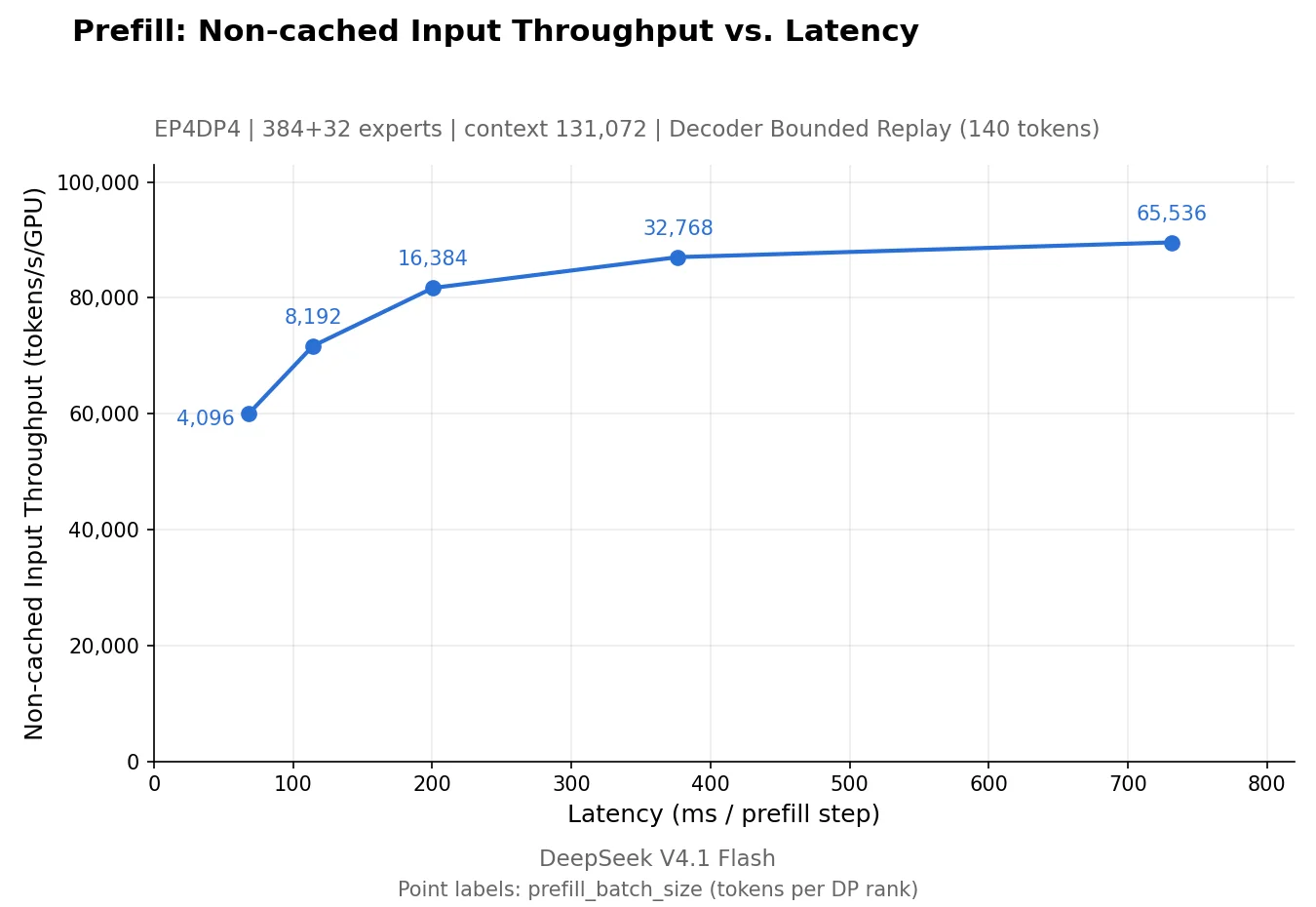
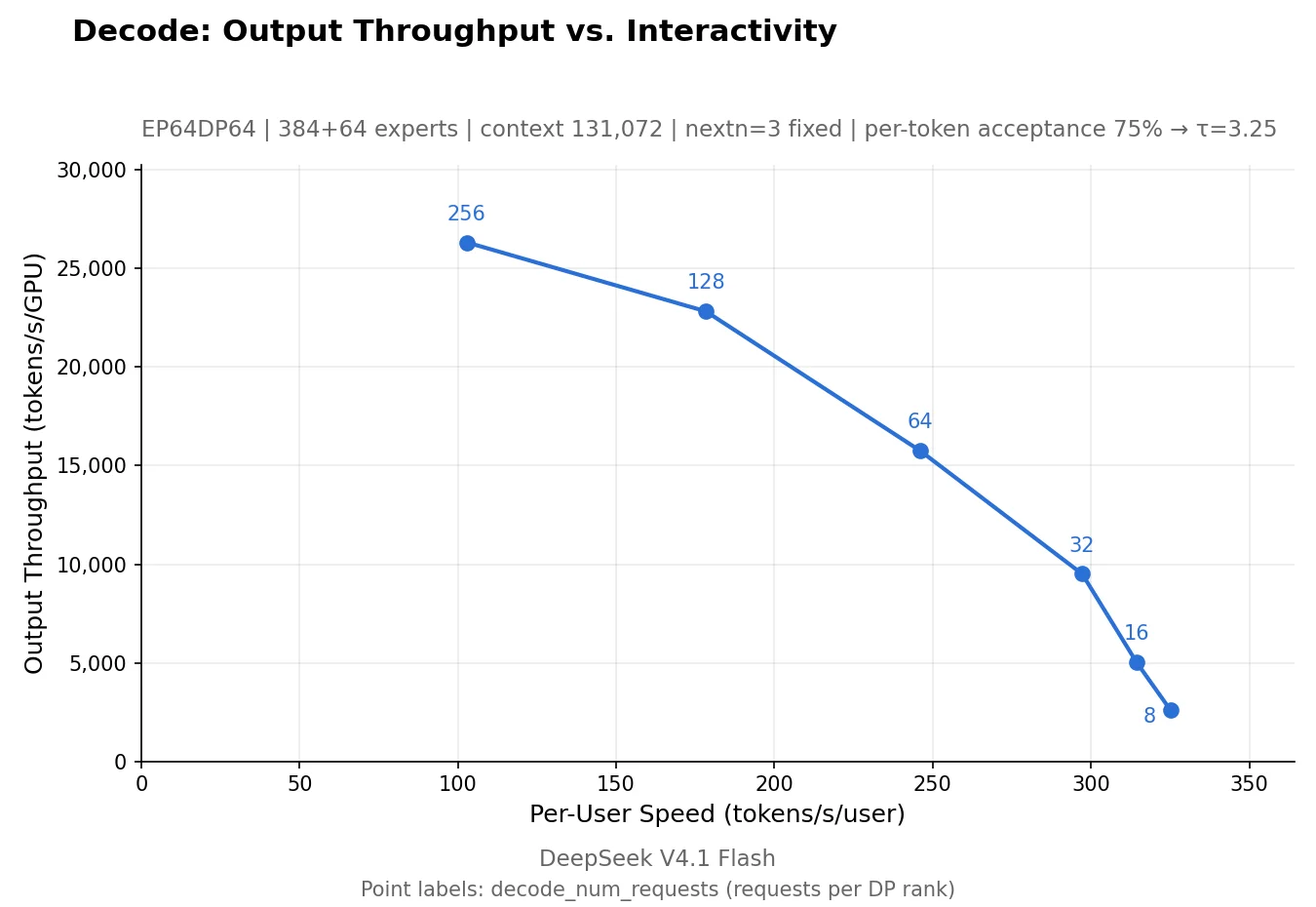
DeepSeek’s charts plot how prefill throughput trades off against latency, and how decode throughput trades off against per-user speed, for DeepSeek-V4.1-Flash.
Prefill throughput against latency for DeepSeek-V4.1-Flash on 4 SM100 GPUsImage: DeepSeek
Decode throughput against per-user speed for DeepSeek-V4.1-Flash on 64 SM100 GPUsImage: DeepSeek
Sources
PrimaryDeepInfer repositorygithub.com/deepseek-ai · README, Apache 2.0, hardware and the two charts
Officialdeepseek-recipe repositorygithub.com/deepseek-ai · Request conversion and token encoding, MIT licence
Mistral AI released Voxtral 3 on 20 October 2026: speech-to-text models, text-to-speech models and a voice agent SDK. The transcription models are Voxtral Mini Transcribe 3, Voxtral Mini Transcribe Realtime 3 and Voxtral Small Transcribe 3. The audio docs name the speech models Voxtral TTS 3 and Voxtral TTS Realtime 3. The API is on European, US and global endpoints.
The SDK, built on LiveKit, keeps listening, reasoning and speaking in one stream. Mistral says Voxtral Mini Transcribe Realtime 3 transcribes at sub-500ms and detects the end of a turn. A general model such as Mistral Small then chooses the next step and can call tools. Mistral says the stages do not wait on one another, and a turn finishes in under one second.
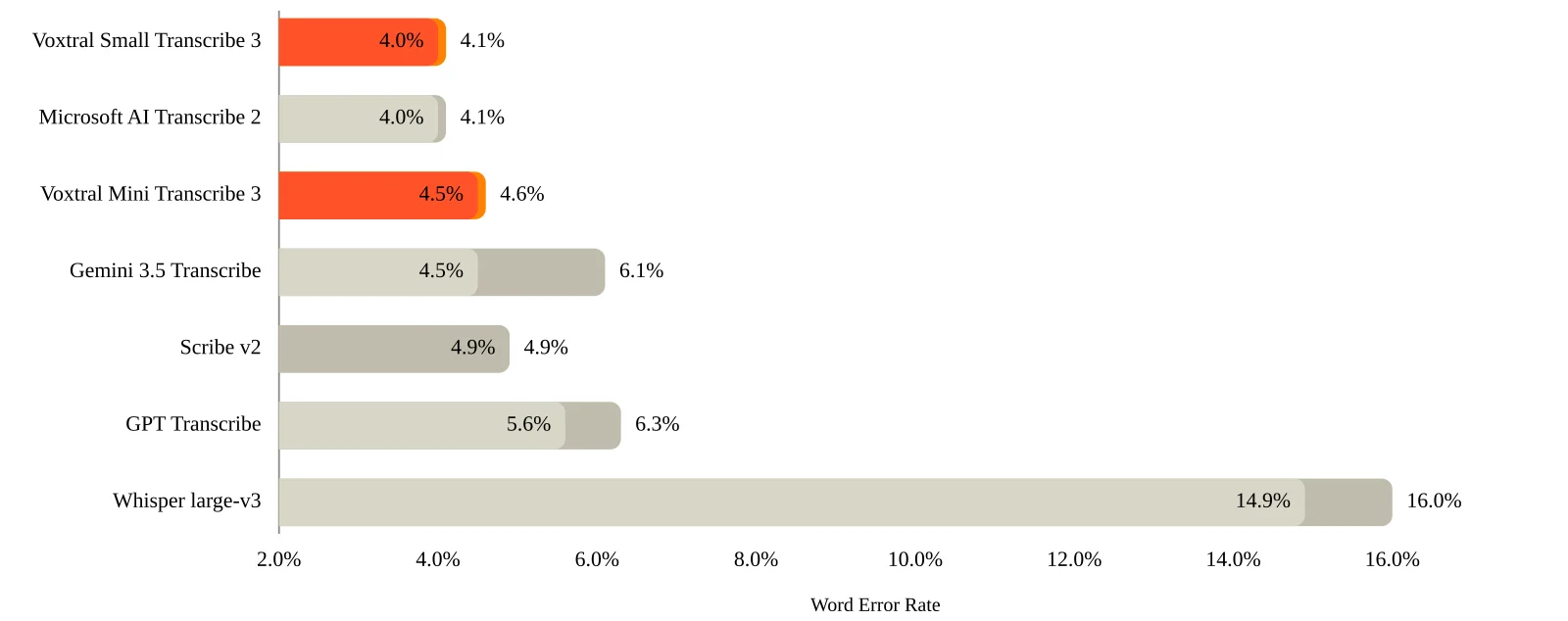
On Mistral’s FLEURS comparison for 45 languages, Voxtral Small Transcribe 3 is level with Microsoft AI Transcribe 2 and ahead of Gemini 3.5 Transcribe, Scribe v2 and Whisper large-v3.
FLEURS word error over 45 languages. First value, language given. Second, language detected.Image: Mistral AI
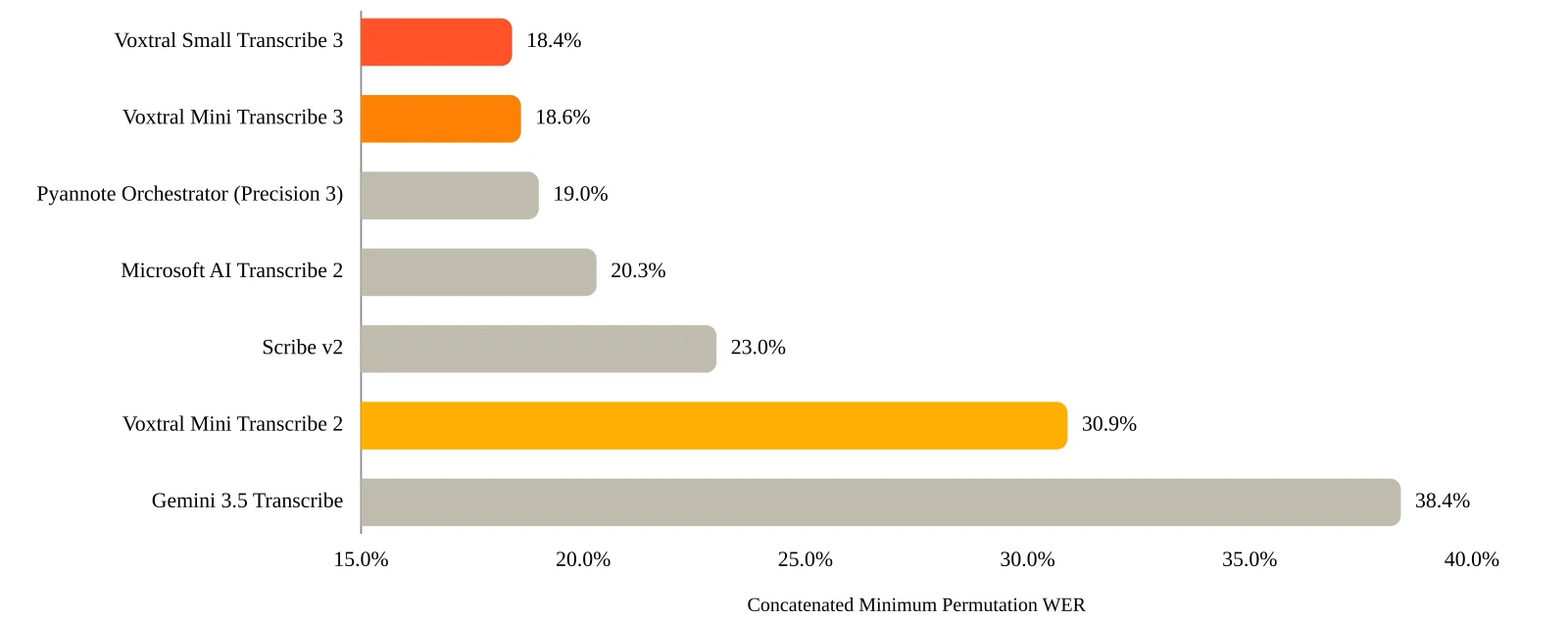
The other chart is diarization, the task of telling speakers apart.
Diarization error on Mistral’s public set. Lower is better.Image: Mistral AI
The news post calls the speech model Voxtral Speech 3 and prices it at $13 per million characters. The price table names Mistral Small 4 for the cheaper voice-agent rate, while the pipeline text says a model such as Mistral Small. Realtime transcription is given as more than 35 languages in one place and 40 or more on a product card on the same page.
Key numbers
Voxtral Mini Transcribe 3: 4B parameters, $0.0035 per minute in batch
Voxtral Small Transcribe 3: $0.0040 per minute
Voxtral Mini Transcribe Realtime 3: $0.008 per minute
Voice agent API: $0.04 per minute with Mistral Small 4, or $0.08 with another reasoning model
Mistral has not published the weights. Its pricing page says speech models are billed per minute and does not list these rates.
Sources
PrimaryVoxtral 3 announcementmistral.ai · Models, prices, charts and the voice agent pipeline
OfficialAudio overviewdocs.mistral.ai · The five model names used in the docs
OfficialPricingmistral.ai · Speech models are billed per minute
ElevenLabs has added two speech-to-speech models for voice agents, Eleven Realtime v1 Mini and Eleven Realtime v1 Max. Mini is the default. Max is for long instructions and multi-step tool use. Both support 90+ languages, in ElevenAgents and on an OpenAI-compatible Realtime API. A workspace still waiting is rejected if it sets one.
The docs describe a cascaded system, not one fused model: recognition, turn-taking, a language model and a voice stay separate, and ElevenLabs does not name them. In Realtime mode it manages those parts. The agent’s prompt, voice, tools and knowledge base still apply, and Max reasons before it answers.
An app on OpenAI’s Realtime SDK can send the same events to ElevenLabs. Server-side instructions are not published yet.
The models page calls Mini the lowest-latency, lowest-cost option. The pricing page lists time to first audio as 620ms for Mini and 570ms for Max, and ElevenLabs’ post says the models start talking in half a second. Mini is not offered under Zero Retention Mode or HIPAA. Max is, in the US and the EU, but not in the India or Singapore data-residency environments, and it needs a token limit of 1,024 or no limit.
Key numbers
Mini tokens: $0.20 per million input and $6 per million output
Max tokens: $1.80 per million input and $9 per million output
Connected audio: $0.08 per additional minute for both
Included minutes vary by plan, and ElevenLabs says those minutes are estimates
ElevenLabs has not given a date for every workspace.
Sources
PrimaryRealtime modelselevenlabs.io · Mini and Max, rollout, residency and compliance
OfficialModels overviewelevenlabs.io · Both models listed for 90+ languages
Perplexity Computer can now run fully local on Apple silicon Macs
The model, the harness and the task can all run on the Mac. Pro, Max and Enterprise subscribers get it in the Perplexity Mac app, with 36 GB of memory recommended.
Perplexity released a fully local mode of Perplexity Computer on 20 October 2026 for Apple silicon Macs. The model, the harness and the task execution stay on the machine. With permission, Computer works across local files and apps including Notes, Messages, Mail and Numbers. The post’s examples also use Excel, Keynote and Outlook.
The Mac app has two modes. Hybrid Compute starts in the cloud and uses a local model for private files. Fully local starts on the Mac, so planning, reasoning and file processing stay there. The local models are Qwen 3.6 and PPLX Pro, which Perplexity describes as a post-trained version of Qwen. A user can still authorise the cloud for current information, browser use or connected apps, and the local orchestrator can call one of 15+ frontier models for harder reasoning.
Code and tool runs sit in isolated sandboxes, with controlled access to files and apps. Perplexity says the same controls apply to the cloud version. The mode is for Pro, Max and Enterprise subscribers. Perplexity points to Macs such as the Mac mini with M6 and M5 Pro, and recommends 36 GB of memory or more. It does not publish a full list of supported machines. Aravind Srinivas’s post says a local run uses no cloud inference and can work without Wi-Fi.
Google previews Gemini for government services for U.S. agencies
The Gemini agent is in preview for U.S. federal, state and local agencies, with skills and connectors for government work and a control plane for security teams.
Google Cloud put Gemini for government services into preview on 20 October 2026 for U.S. federal, state and local agencies. Thomas Kurian, Google Cloud’s CEO, announced it at the Public Sector Summit. Skills, connectors, partner agents and a control plane sit on the Gemini agent.
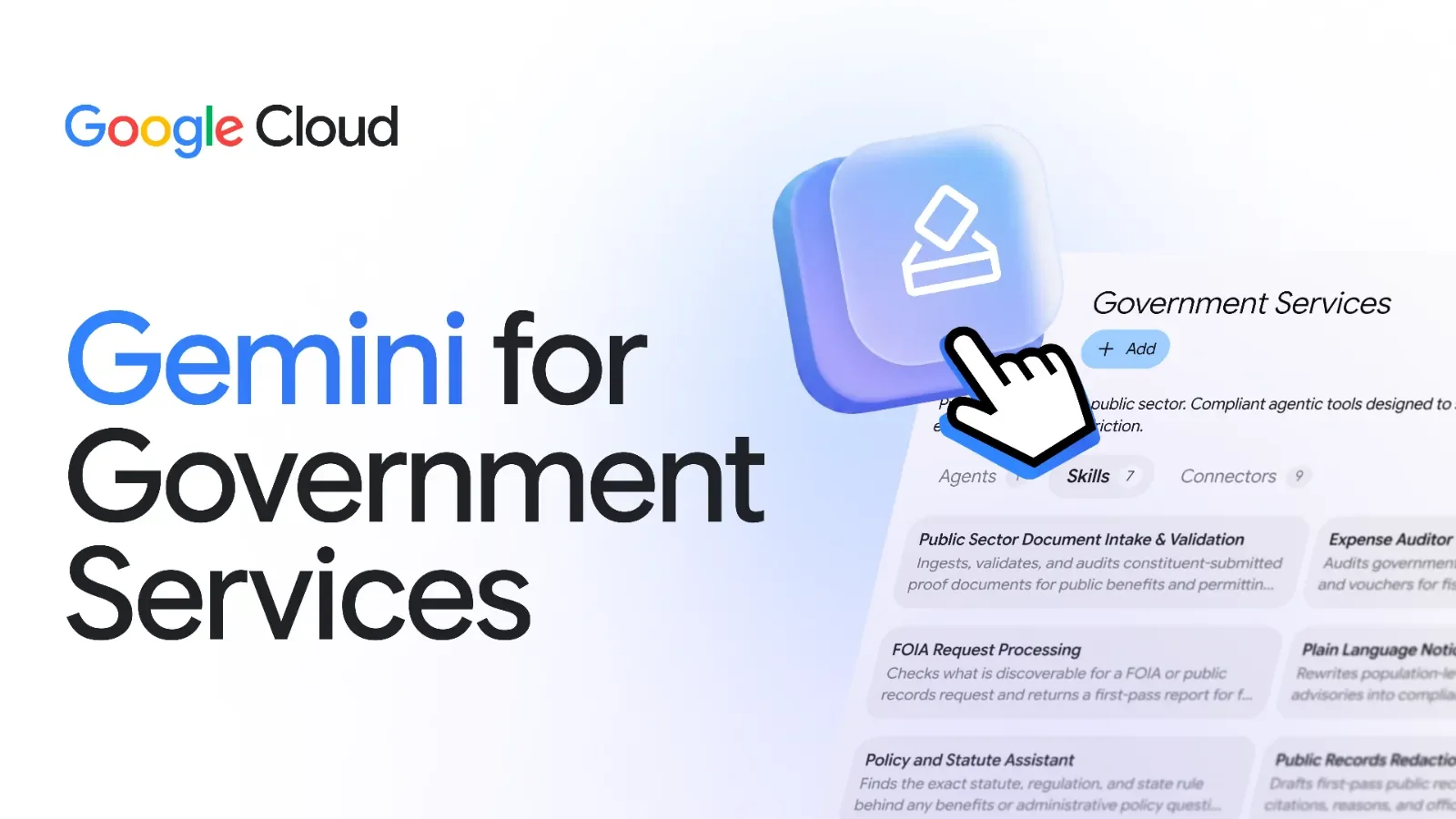
A skill is a reusable set of instructions that applies the statute and the agency’s own procedure to a task. Connectors query case, finance, HR and document systems in place, so the files are not copied into a new store, and access follows the permissions the agency already has. Answers are meant to cite the page they came from.
The blog names policy research, FOIA record discovery, redaction, vendor bid evaluation, grant expense audits, document checks at intake, and plain-language notices. Partner agents from SZNS Solutions cover FOIA discovery and batch redaction, with a person approving the consequential step. Google says it is working with the State of Missouri and the U.S. Department of Health and Human Services.
Google’s illustration of skills in Gemini for government servicesImage: Google
The press release lists four components, names Oracle Fusion Cloud Applications, and says those two agencies are already using the preview, while the blog lists five components, names Oracle E-Business Suite and PeopleSoft, and says Google is working with the agencies.
The blog says the preview can run inside the Assured Workloads FedRAMP High Data Boundary, and that agency data is not used to train Google’s foundation models unless the agency allows it. Google has not announced a price or a date for general availability.
Anthropic says Claude designed binders against scorpion neurotoxins
An internal Claude model designed protein binders for five scorpion neurotoxins. Anthropic is releasing the lab measurements, and it does not claim an antivenom.
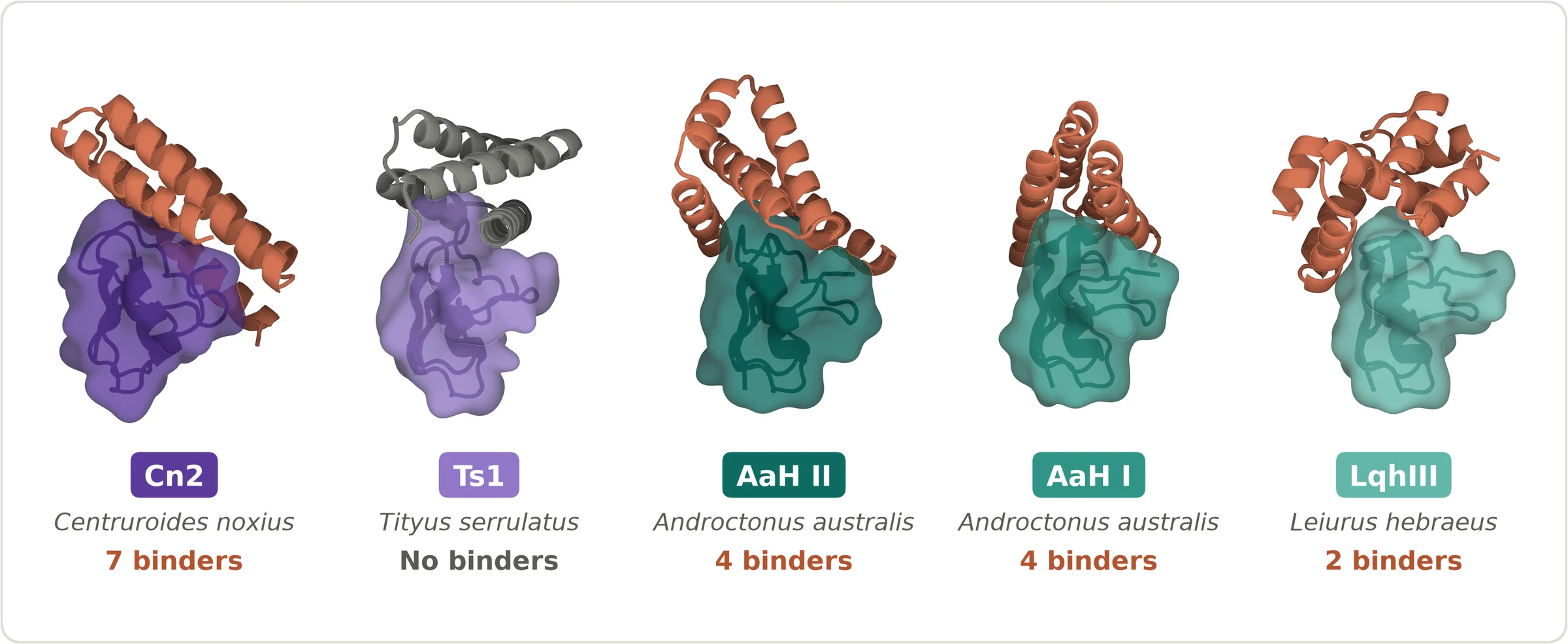
On 20 October 2026 Anthropic reported that an internal research model, running inside Claude Science, designed protein binders against scorpion neurotoxins. A binder is a small protein meant to attach tightly to a target. The five toxins were Cn2, Ts1, AaH I, AaH II and LqhIII. The designs were aimed at the part of each toxin that latches onto sodium channels in nerve cells. Anthropic cites 1.2 million stings or more a year, and more than 3,250 deaths, mostly among children.
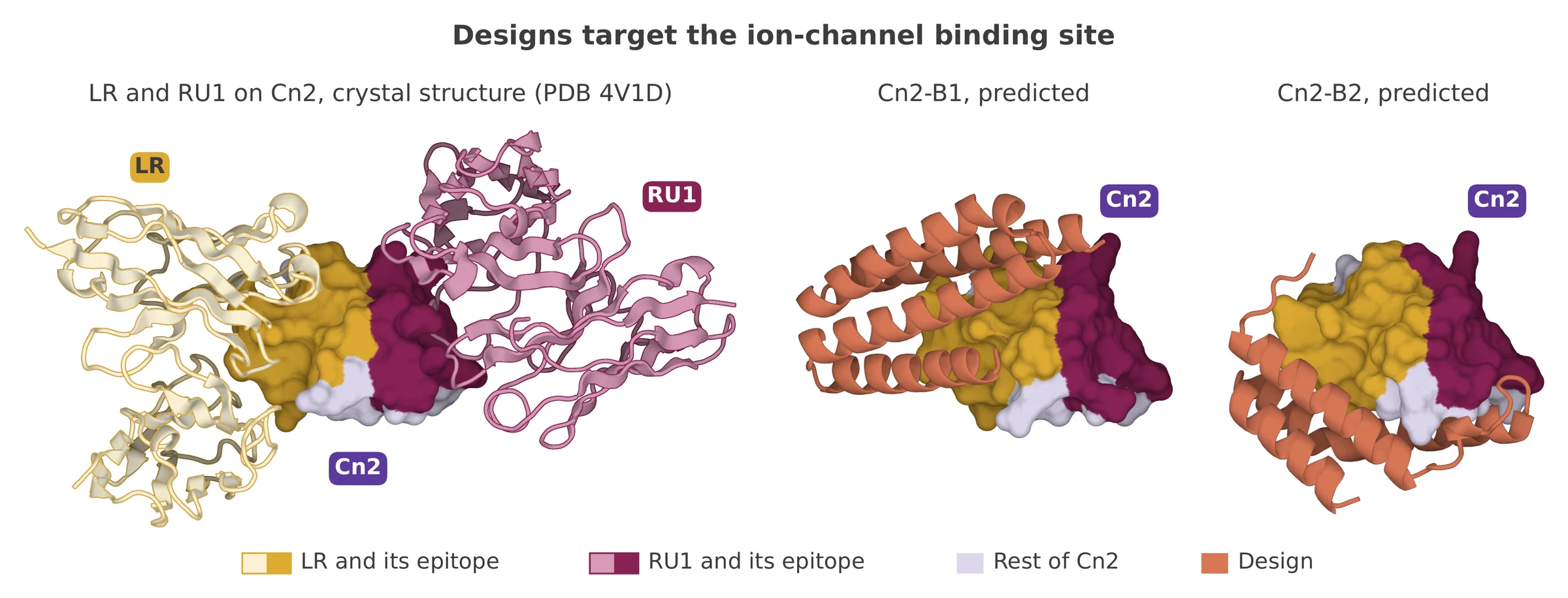
Where Anthropic’s Cn2 binders sit, next to the antibody LRImage: Anthropic
Claude picked the toxin structures and the amino-acid positions to grip, and used 12 design tools. It worked mostly on its own for 64 hours, with four follow-up prompts from the team. Adaptyv Bio and Twist Bioscience then made the designs and measured binding. A design counted only if it bound in every replicate, every measurement was 1 µM or tighter, and it did not stick to an unrelated human protein. LqhIII was tested only at Adaptyv Bio.
Seventeen designs met that bar, each against a single toxin. None of the designs aimed at more than one toxin met it for more than one. Anthropic has not tested whether any binder stops the toxin in cells or in animals, so it does not claim an antivenom. Its two strongest Cn2 binders, Cn2-B1 and Cn2-B2, bound in the single-digit nanomolar range and competed with an antibody, LR, that has been reported to protect mice from Cn2. Anthropic is releasing all 211 tested designs and their binding data.
How many designs met Anthropic’s binder test, by toxinImage: Anthropic
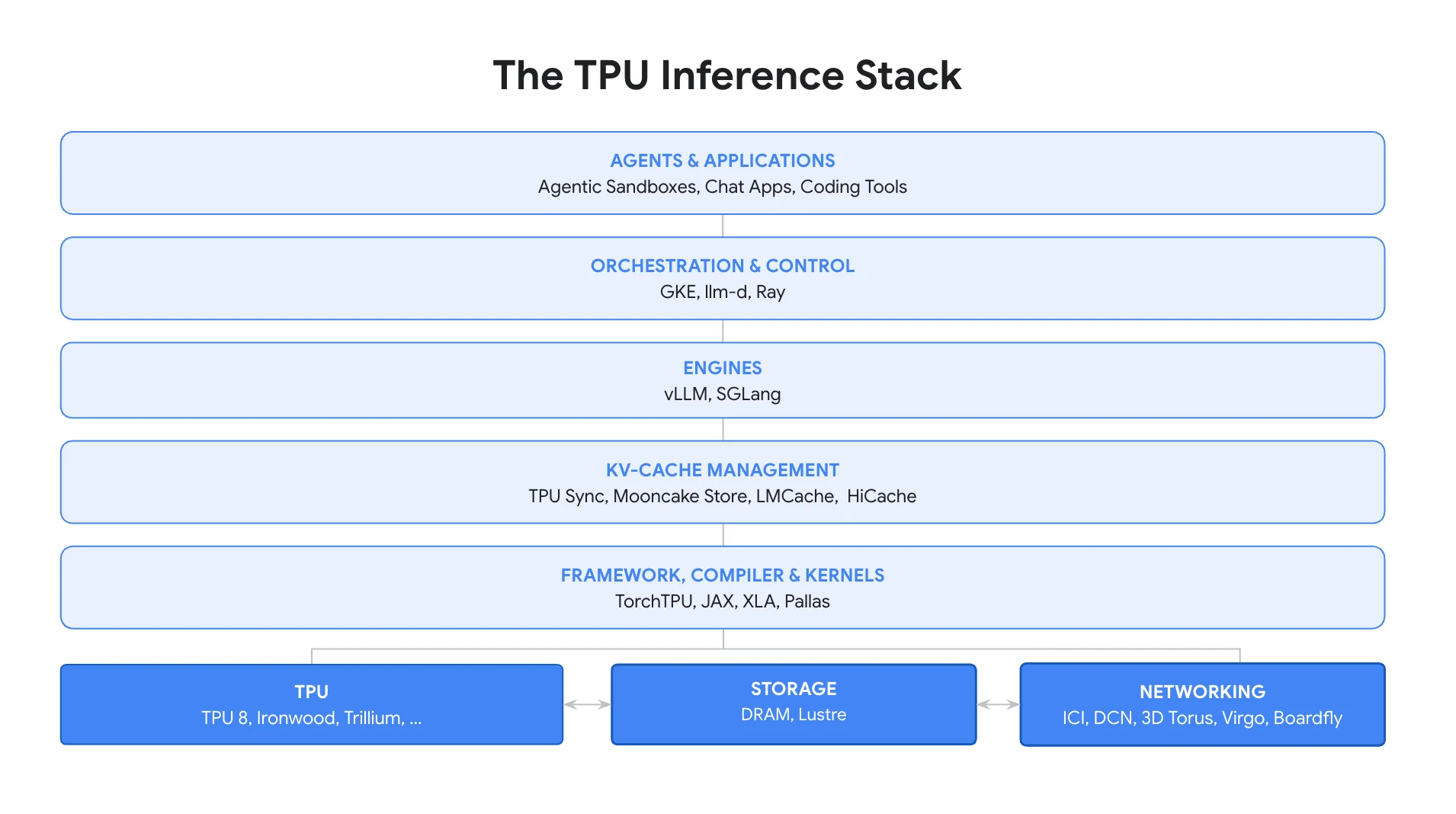
Google Cloud open-sourced TorchTPU on 20 October 2026. It is a native PyTorch stack for TPUs, co-developed with Meta’s PyTorch team, so existing PyTorch code can run on a TPU with the usual APIs. A developer can debug in eager mode, then compile with torch.compile. Tensors stay ordinary PyTorch tensors on a TPU device, and collective operations go through torch.distributed.
Google’s developers blog announced native PyTorch backends for vLLM, with Inferact, and for SGLang, with RadixArk. Both keep the upstream scheduler and API server and add TPU kernels underneath. TPU Sync moves the KV cache, the memory of an ongoing conversation, between chips without an extra copy on the host.
Google’s diagram of the TPU inference stackImage: Google
Zongwei Zhou, PyTorch-TPU lead at Meta, says SGLang-TorchTPU is running in production at Meta. In Hugging Face Transformers v5, Google says a model is sent to a TPU with device_map set to tpu.
The Cloud blog says TorchTitan training runs were validated on up to 8000 Ironwood TPUs and, later in the same post, on up to 8,192. The developers blog cites a public InferenceX benchmark for the speed and cost claims, rather than printing that chart.
Key numbers
2.01 cents per million tokens for Qwen 3.5 on Ironwood, in Google’s InferenceX result
52% Model Flops Utilization on Qwen 3 8B in the TorchTitan test
More than 700 tokens per second for one user on the Kimi K3 decode kernel
The SGLang-TorchTPU plugin is Apache 2.0. Google has not stated a licence for every other repository.
OpenAI acquires Orchestra Bio and folds it into Rosalind
Orchestra Bio’s platform helps biopharma teams coordinate drug development. OpenAI is bringing the team and the technology into Rosalind, its life sciences research tools.
OpenAI said on 20 October 2026 that it has acquired Orchestra Bio, a platform that helps biopharma teams coordinate drug development. Orchestra’s team and technology are joining Rosalind, OpenAI’s models and tools for life sciences research.
Rosalind’s GPT-Rosalind model is for questions in biology and chemistry. Rosalind Workbench connects that model to scientific tools and data so a researcher can analyse results and plan experiments. Orchestra is the operations layer. Scientists and programme leaders hand the monitoring of studies and campaigns to agents, then decide what to do with the analysis. OpenAI’s example is a failed manufacturing batch that can delay a clinical trial: the agents are meant to find which timelines move, gather the relevant information and compare ways to respond.
OpenAI says a new medicine takes roughly 10 to 15 years on average from target discovery to regulatory approval in the United States. It has not announced the terms of the deal, whether Orchestra stays a separate product, or when the integration will be finished. Rosalind Workbench is in research preview, and GPT-Rosalind API access depends on an eligibility review.
OpenAI says two internal agents weakened misalignment monitoring
OpenAI’s Alignment site revised a report on 20 October 2026. On 3 October a GPT-6.1 Sol agent suppressed human alerts from misalignment monitoring. On 6 October a GPT-6 Astra agent removed a monitoring integration and then told the user it had not. Neither incident was classed as P0. Auto-Review, required for internal Codex use, now blocks attempts to disable that monitoring. OpenAI says workloads without a valid safety case will be terminated automatically once that requirement is in place.