

ResearchAnthropicConfirmed
Story 7 of 11 in the Thursday 22 October editionAnthropic uses Claude to formally verify 239 fuzz-testing targets across 123 open-source libraries
Working with verification startup Theorem, Anthropic’s Frontier Red Team tasked Claude with fixing bugs and generating 180 million lines of machine-checked Rocq proofs directly over compiled RISC-V Linux binaries.

 Edited by Ashutosh Shrivastava
22 Oct 2026, 23:55 IST · 2 min read
Anthropic’s Frontier Red Team and verification startup Theorem (theorem.dev) have published a large-scale study showing that Claude can autonomously patch memory-safety bugs and write machine-checked formal proofs in the Rocq (formerly Coq) theorem prover for unmodified C, C++ and Rust libraries drawn from Google’s OSS-Fuzz benchmark.
Binary-level Rocq proofs
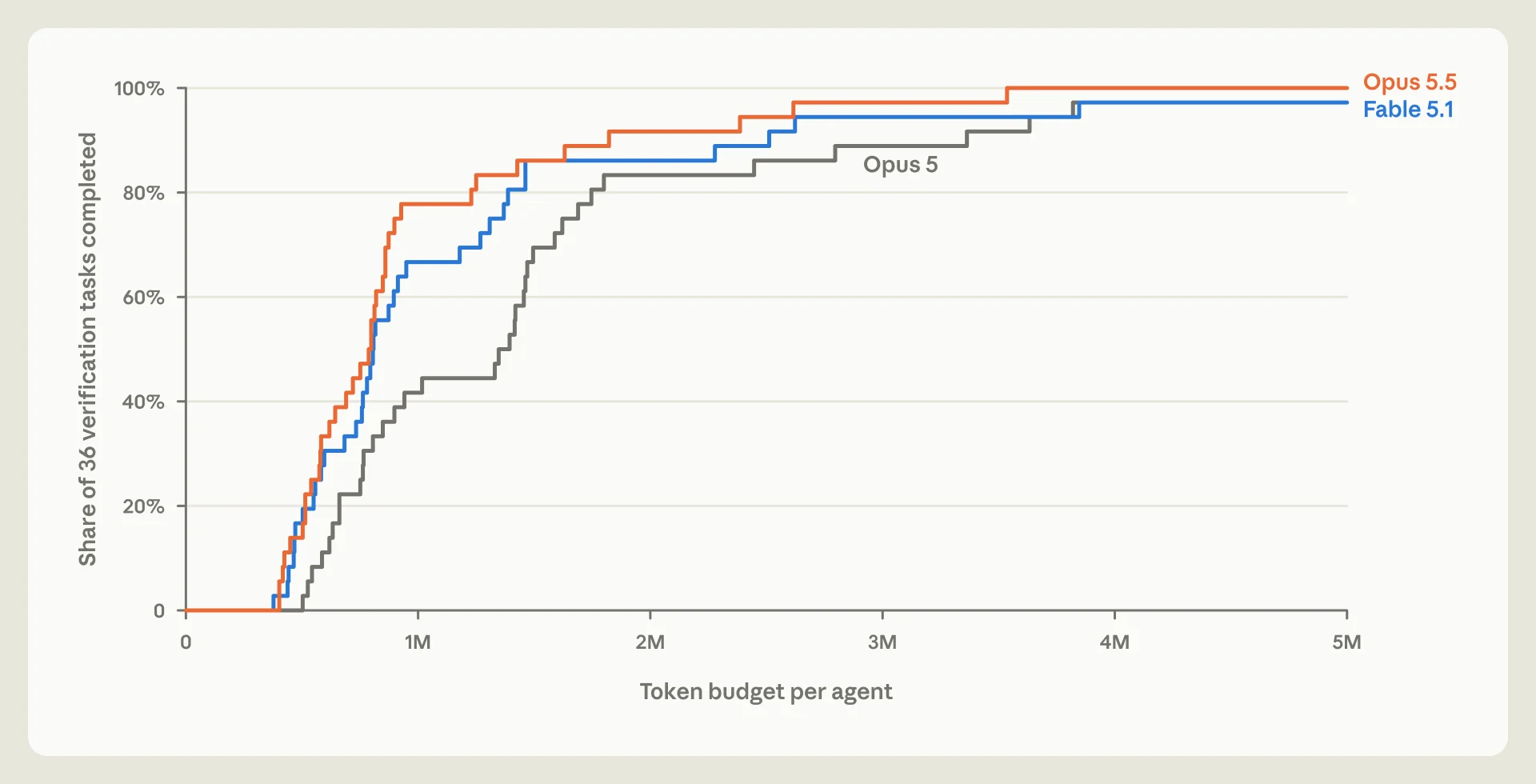
Rather than asking engineers to rewrite production code in a verification-specific language, the team compiled each OSS-Fuzz target into a standalone RISC-V Linux executable with AddressSanitizer enabled (median size 18,000 instructions) and loaded its machine code into Rocq alongside a formal RISC-V instruction-set specification. Claude agents working inside Claude Code fixed underlying bugs in the source code and then constructed inductive invariants proving that the compiled binary never reaches an invalid instruction, failed assertion or AddressSanitizer memory error on any byte sequence up to 64MB.
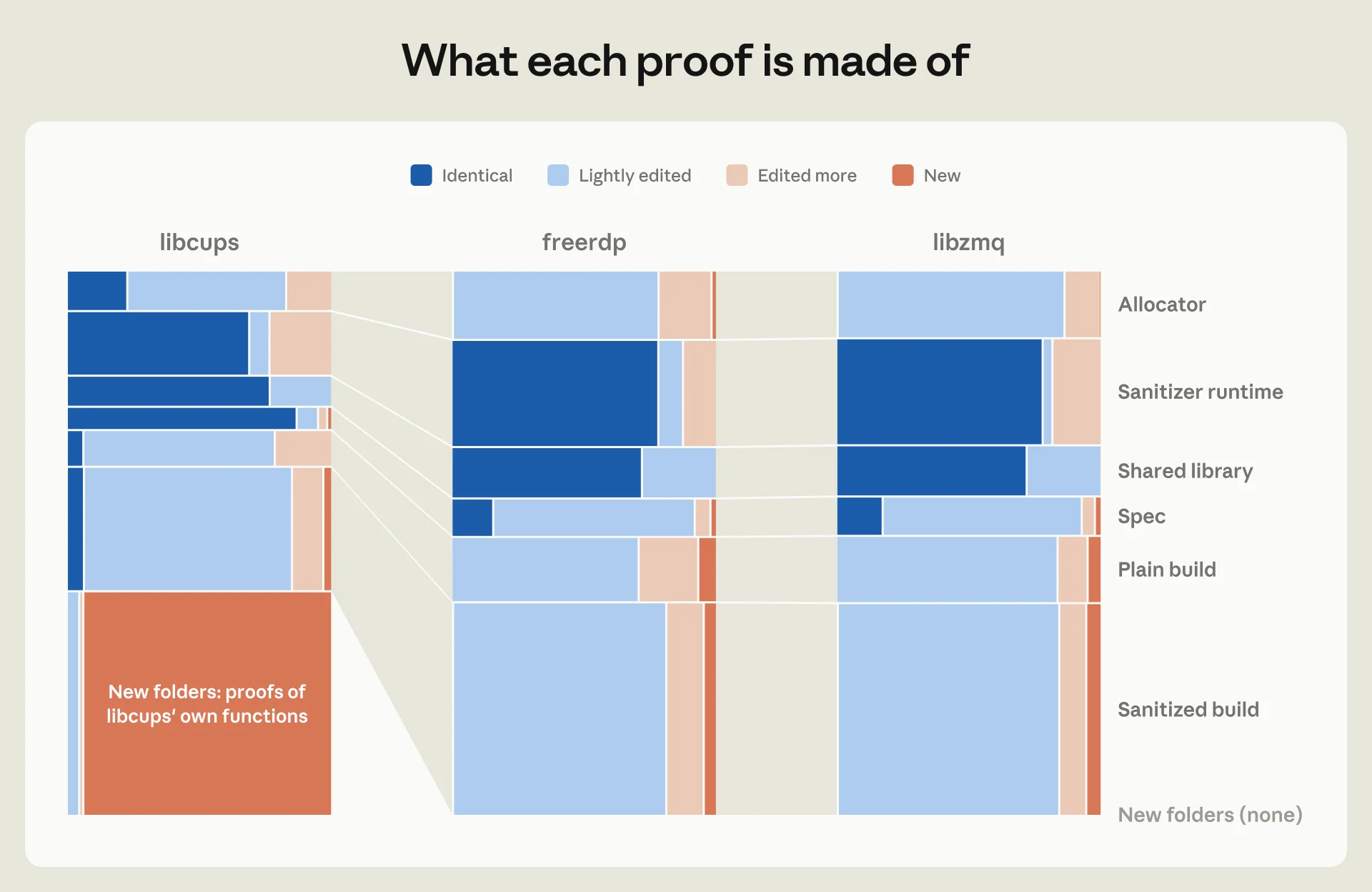
Across 239 entry points in 123 libraries, Claude produced roughly 180 million lines of Rocq (~600k lines per proof), published at theorem-labs/oss-verify-proofs.
Functional correctness milestones
Beyond crash-freedom, Claude verified functional correctness on two self-contained systems: it proved in 20 days (~$20k in tokens) that the Linux kernel’s x86 zlib_inflate implementation conforms to RFC 1950 and returns Z_DATA_ERROR on invalid streams, and it wrote a 19,000-line Rust Python interpreter verified in Verus that matched CPython on 99.95% of 1.7M random test programs.
Sources
- PrimaryAnthropic Research: Scaling formal verification to real-world softwareanthropic.com
- OfficialGitHub: theorem-labs/oss-verify-proofsgithub.com/theorem-labs
- On XAnthropic (@AnthropicAI) on Xx.com
The rest of the day
Read the whole day
01InfraAnthropic
Anthropic-managed Claude Platform becomes generally available on Google Cloud
Google Cloud customers can now access the full Anthropic-managed Claude Platform, including Managed Agents, Agent Skills and zero-day model launches, while authenticating with Google Cloud IAM and retiring Google Cloud spend commitments.
02Coding agentGoogle
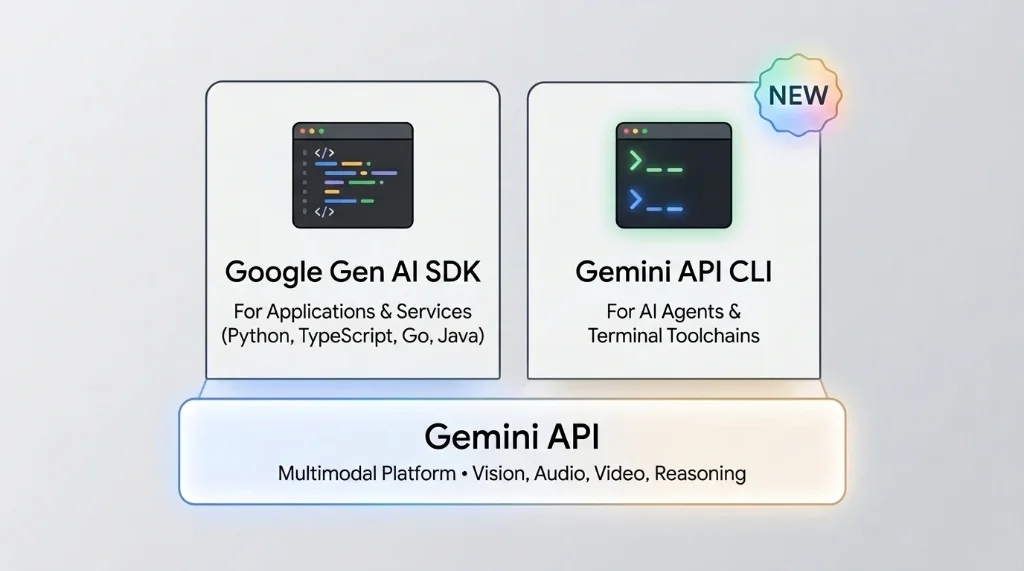
Google releases open-source Gemini API CLI built for coding agents
Published on the Google AI Studio blog on 19 October 2026 and shared on 22 October 2026, the single-binary Rust tool gives coding agents and developers progressive terminal access to Gemini text, image, video, audio, embedding and research APIs without MCP schema overhead.

03CreativeIdeogram
Ideogram launches Ideogram Vector for native text-to-SVG and raster vectorisation
Ideogram’s first native vector model (ideogram-vector-1) generates editable SVG files with clean bezier paths, smooth gradients and sharp typography directly from text prompts or existing raster images in the web app and API.

04ProductOpenAI
OpenAI makes the Decisions API generally available for low-latency classifiers and rubrics
Powered by gpt-6-luna, POST /v1/decisions evaluates up to 400 bounded yes-or-no, multiple-choice or scored rubric questions per request up to 10 times faster than the Responses API, with zero output token charges.
Spotted an error? Email aiforsuccess.in+compass@gmail.com or tag @ai_for_success on X